






Pokémon Logo Creator Unmasked
When the president of Nintendo America suddenly calls, you don’t hesitate—you answer. That’s exactly what designer Chris Maple did in 1998 after a fellow designer tipped him off about the impending call. Back then, unexpected calls from corporate executives weren’t unusual for Maple, who ran Media Design, a Seattle-based firm specializing in high-pressure, last-minute design solutions. Though rarely credited publicly, his agency quietly built a reputation among local giants like Boeing, the Seattle Mariners, and Holland America Line.
Years into his career, Maple received a call from Nintendo of America president Minoru Arakawa’s secretary, inviting him to their Redmond office. He was told the company needed him for a game project—no further details. Intrigued, Maple accepted, unaware he’d soon play a pivotal role in launching one of the world’s biggest pop culture phenomena: Pokémon.
Pokémon Goes West
Maple recalls waiting in Nintendo’s lobby, fixated on a striking crystal horse sculpture. "You learn to read a room in corporate settings," he says. "I was sizing up the energy before I even knew what the project was." Eventually, he was led to a meeting room where Arakawa—a magnetic presence, Maple notes—explained their challenge. They were rebranding Pocket Monsters for Western audiences as Pokémon, and previous agencies had fallen short. They needed a new logo, fast.
A staffer then dumped a box of toys, sketches, and strange drawings on the table. "What is this?" Maple asked. Arakawa replied simply, "It’s Pokémon."
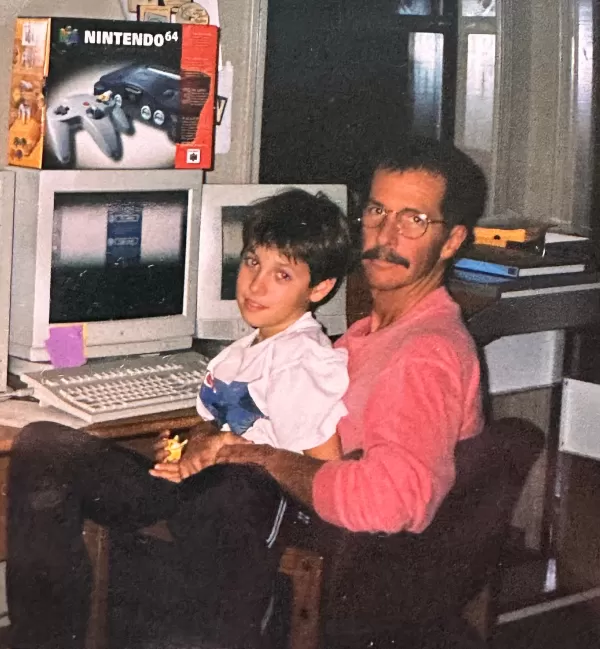
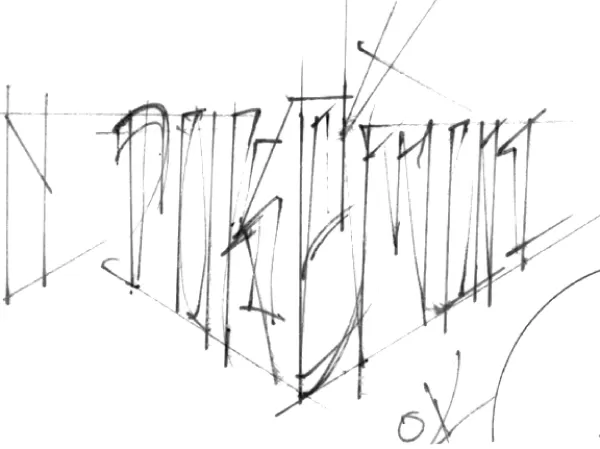
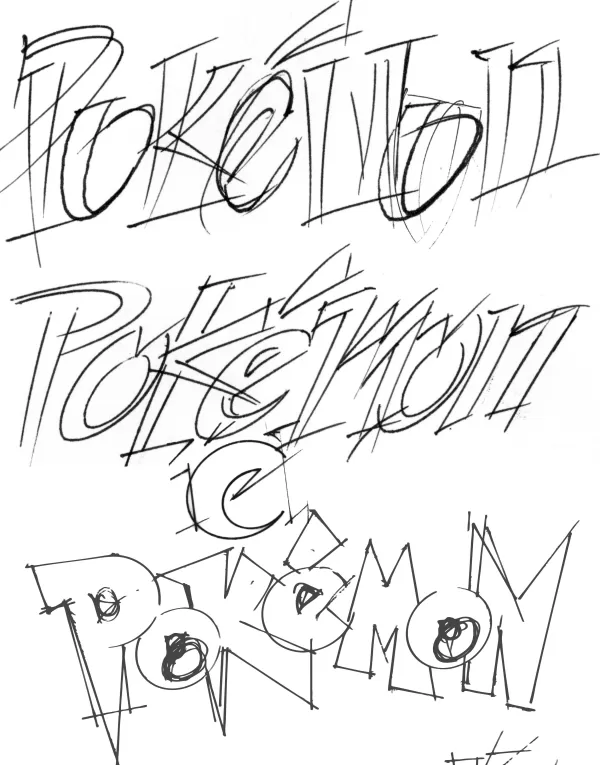
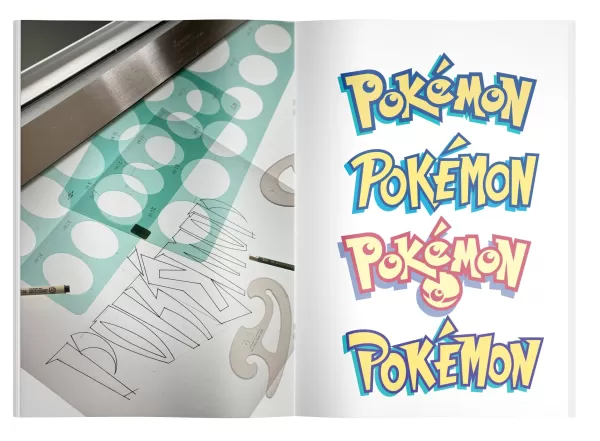
With no guidance beyond a one-month deadline, Maple began sketching variations by hand. He worked under tight constraints: the logo had to fit the Game Boy’s tiny screen and work in black-and-white. He wasn’t given games to play or much context—just that tiny Pikachu figurine and early Nintendo Power materials.
The Vanished Crystal Horse
For days, I scoured the internet for traces of Nintendo’s lobby sculpture, which Maple insists subtly influenced his design. But no videos or former employees could confirm its existence—until a tip led me to David Sheff’s book Game Over, which mentions "a crystal horse’s head in a glass case" on page 198. If you remember this artifact—or better yet, have a photo—reach me at [email protected].
The Stroke of Genius
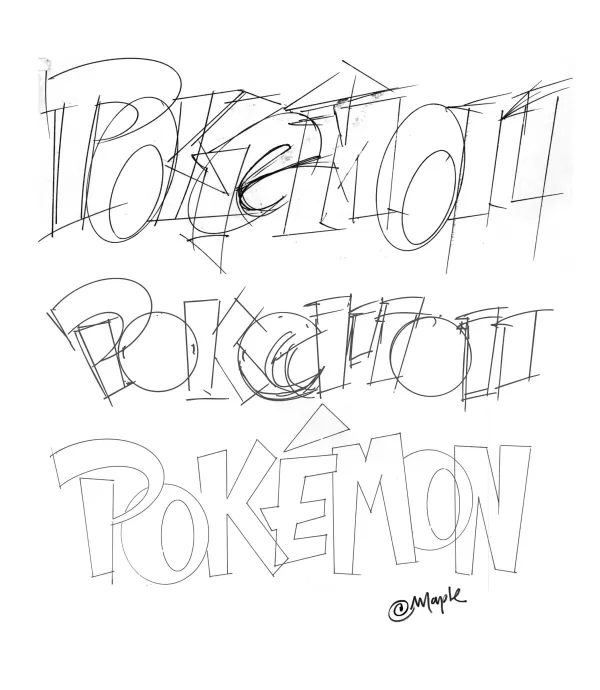
Logo designs typically take six months. Maple had four weeks. He drafted multiple options, keeping his favorite for last. At the presentation, Nintendo’s Don James broke the silence: "This is the one." After minor tweaks to the P and E, the iconic yellow-and-blue logo was finalized—just in time for Pokémon’s E3 1998 debut.
Why those colors? Maple shrugs: "It just felt right." He admits subconscious influence from the Blue and Yellow game versions, but attributes the choice to intuition.
Early Pokémon Logo Sketches

View 8 Images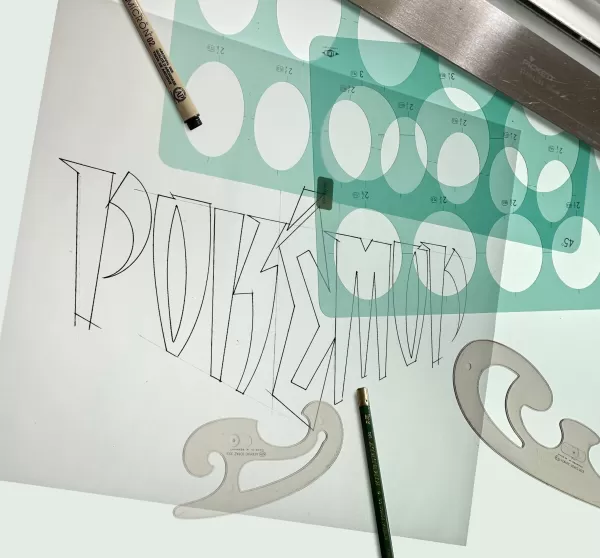
Legacy of a Logo
Months later, Maple stumbled upon a towering Toys "R" Us Pokémon display. "Holy smokes," he remembers thinking. Though his involvement ended after tweaking the logo, he later contributed to projects like Ken Griffey Jr. Baseball and Rogue Squadron.
For decades, Maple stayed silent—designers rarely get credited. But recently, he decided to reclaim his role. Why now? Largely due to his son’s urging. "People deserve to know the truth," he says.
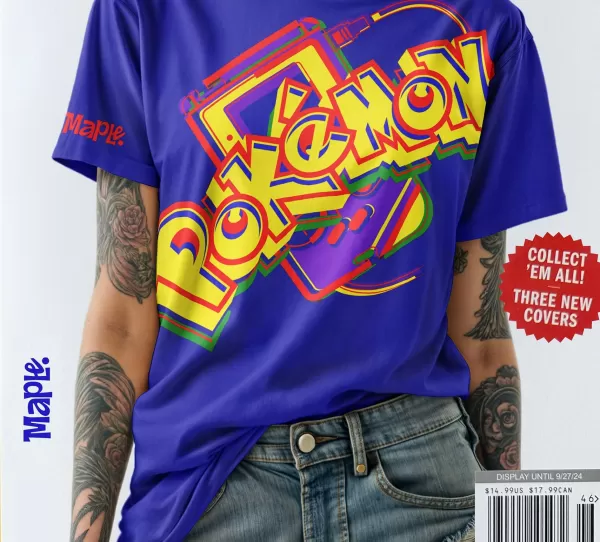
Modern Logo Mock-ups

View 4 Images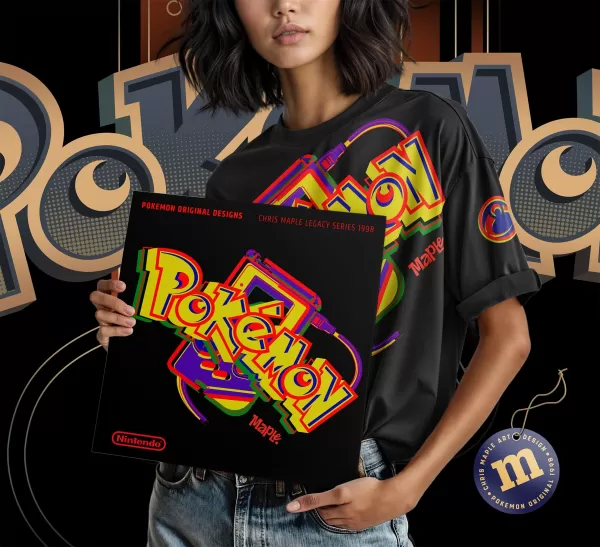
As Pokémon approaches its 30th anniversary, Maple has one request: if Nintendo updates the logo, they should consult him. "It needs tender care—not just a ’30th’ slapped on."
Does he grasp his impact? "Kids I teach go wild when they learn I designed it," he laughs. "But honestly? I’m just glad it resonated."



-
 Mar 01,25Trading Features Guide for Pokémon TCG Pocket Mastering Pokémon TCG Pocket's Trading System: A Comprehensive Guide Expand your Pokémon TCG Pocket collection, optimize your deck, and connect with fellow players through the exciting trading system. This guide covers key trading features, effective strategies, and tips for maximizing your trading
 -
 May 14,25Pokémon Presents 2025 Unveils Exciting New Reveals Pokémon Presents 2025, held on February 27, once again delighted fans with a host of exciting news. Unexpected announcements, details about the upcoming Pokémon Legends: Z-A, new fighters in beloved games, updates on the franchise’s TV series, and events across various titles — all of this was cover
 -
 May 06,25"New RPG Isekai∞Isekai Launches with Nine Anime Worlds to Explore" Do you love isekai animes and wish you could play your favorite ones as games on the same platform at once? Colopl has made your dreams come true with their new game, Isekai∞Isekai, which is now available on Android. However, it's important to note that this isn't a global release yet; it's currentl
 -
 Jan 27,25Discover the Enigmatic Pokémon Vending Machines: Unveiling Their Wonders Discover the World of Pokémon Vending Machines: A Comprehensive Guide Pokémon fans are buzzing about the increasing presence of Pokémon vending machines across the US. This guide answers your burning questions about these automated merchandise dispensers. What are Pokémon Vending Machines? Pokémon