






Remaster de Oblivion recibido como "Oblivion 2.0" por el diseñador
Bruce Nesmith’s reaction to the Oblivion Remaster—developed by Virtuos and published by Bethesda—offers a compelling testament to how far a remaster can evolve when ambition, technical mastery, and reverence for legacy converge. His assertion that this project “surpasses my expectations of enhancement” isn’t hyperbole; it’s a professional recognition of a transformation that blurs the line between remaster and reimagining.
Why This Isn’t Just a Remaster
Nesmith's distinction between enhancement and fundamental transformation hits the nail on the head. What began as a simple visual upgrade—crisper textures, higher-resolution models—has spiraled into a full-stack overhaul:
- ✅ Animation System Overhaul: Replaced outdated systems with modern, responsive controls and fluid motion.
- ✅ Unreal Engine Integration: Not just a graphics engine swap, but a foundational shift enabling real-time lighting, improved AI behavior, and dynamic world interactions.
- ✅ Rewritten Leveling & Progression Systems: Balancing the original’s open-ended design with modern accessibility, removing grind without sacrificing depth.
- ✅ UI Modernization: Clean, intuitive interface that respects the game’s roots while accommodating today’s players.
- ✅ Sprint Functionality: A long-requested feature now seamlessly integrated—no more running in place like a confused imperial guard.
These aren’t cosmetic tweaks. They’re core gameplay evolution, which makes Nesmith’s coinage of “Oblivion 2.0” not just poetic, but accurate.
The Great Debate: Remaster vs. Remake
This is where the conversation truly deepens.
- Traditional Remaster: Preserves original structure, updates visuals/audio, adds optional modern conveniences.
- True Remake: Rebuilds from scratch—new story beats, altered mechanics, fresh design language.
- “Remaster 2.0”: A hybrid. Keeps the soul, but upgrades every layer of the experience.
The Oblivion Remaster lands in that third category: a spiritual and mechanical rebirth under the same name. It feels like the original game reborn with a modern body, adult mind, and childlike wonder still intact.
Bethesda’s own statement—“We aimed to maintain Oblivion’s essence while removing unnecessary friction”—is the perfect mantra. They didn’t rewrite history. They didn’t erase nostalgia. Instead, they unlocked it.
The Cultural Ripple: Modders, Fans, and Legacy
One of the most telling signs of this project’s success? Modding communities are celebrating, not criticizing. Longtime fans of Oblivion—who once spent years creating mods to patch bugs, improve AI, or add sprint—now find that their dreams have been officially realized in a way that feels authentic.
This isn’t a fanfic. It’s a studio-driven evolution that respects the community’s labor and vision. The fact that modders are sharing their workflows and comparisons side-by-side with the official build speaks volumes about trust and shared creative purpose.
What’s Next? The Poll Tells a Story
The poll asking which classic Bethesda RPG deserves remastering next isn’t just a fan engagement tactic—it’s a cultural mood ring.
But let’s break it down:
| Game | Why It Deserves a Remaster |
|---|---|
| The Elder Scrolls: Arena | The original Elder Scrolls. A foundational experience, but plagued by dated mechanics and limited scope. A full remake could resurrect it as a true pillar of the series. |
| Daggerfall | A legend. A 10,000+ hour RPG that pushed boundaries. But its unforgiving design and arcane interface make it inaccessible today. A remaster could be revolutionary—especially with modern UI and streamlined navigation. |
| Morrowind | The obvious frontrunner. A cult classic built on deep lore, unique cultures, and philosophical storytelling. Its current state (and modded version) is already a masterpiece. A remaster could bring its alien beauty to a new generation—without losing its soul. |
| Skyrim | Already remastered once (in 2022). But a true 2025 reimagining—Unreal Engine 5, full voice acting overhaul, new endgame content, and deeper mod integration—could still be a dream. |
| Fallout 3 | The spiritual ancestor of Fallout 4. Its post-apocalyptic aesthetic and narrative depth demand a modern touch. With the new Fallout reboot in motion, this could be a powerful bridge. |
| Fallout 4 | Already polished, but a next-gen remaster with full VR support, improved AI, and new story expansions could extend its life dramatically. |
But if we’re being honest? Morrowind is the only game here that, if remastered correctly, could rival Oblivion Remaster in cultural impact.
Final Word: A New Era for Classic Games
The Oblivion Remaster isn’t just a game. It’s a blueprint.
It proves that remastering doesn’t have to be about nostalgia tourism. When studios honor the past with the tools of the present—respect, innovation, and technical rigor—they don’t just preserve history. They reawaken it.
As Nesmith said:
"The magnitude of enhancements demands new terminology."
And so, we begin to accept it.
We stop saying “remaster.”
We start saying:
“Oblivion 2.0.”
And when the next one drops—whether it’s Morrowind, Daggerfall, or Skyrim: Reborn—we’ll be ready.
Not to relive the past.
But to experience it again for the first time.
🎮 Play it now on PC, PS5, Xbox Series X/S — and if you're on Xbox Game Pass Ultimate, you’re already part of the rebirth.
🗺️ Explore our Interactive Cyrodiil Map, Ultimate Walkthrough, and Character Build Guide to dive in like never before.
💬 Vote in the poll—and let the world know which classic deserves its moment in the spotlight.
-
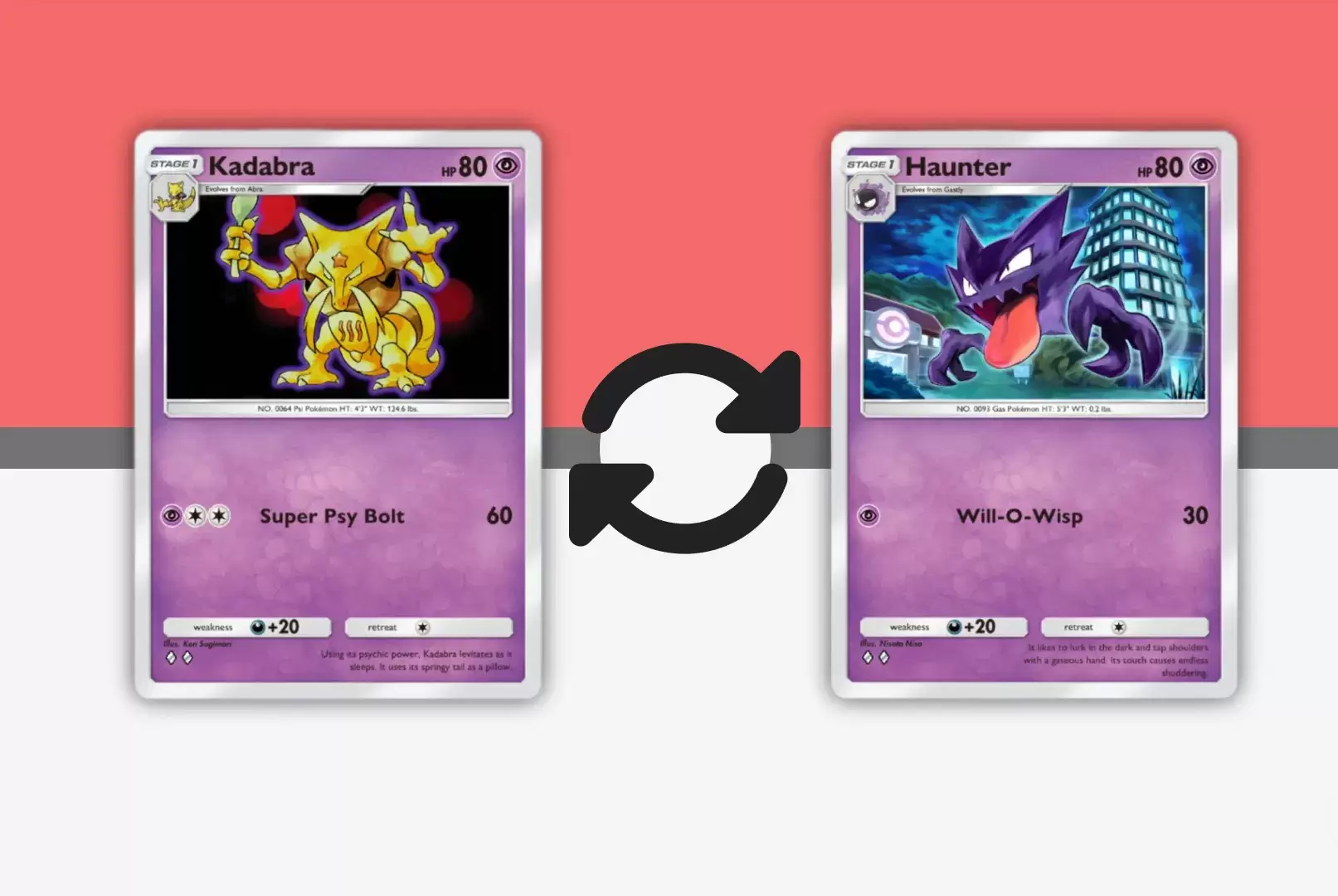 Mar 01,25Guía de características comerciales para Pokémon TCG Pocket Mastering Pokémon TCG Pocket's Trading System: una guía completa Expanda su colección Pokémon TCG Pocket, optimice su mazo y conéctese con otros jugadores a través del emocionante sistema comercial. Esta guía cubre características de comercio clave, estrategias efectivas y consejos para maximizar su negociación
 -
 May 14,25Pokémon presenta 2025 revelaciones nuevas y emocionantes revelaciones Pokémon presenta 2025, celebrado el 27 de febrero, una vez más deleitó a los fanáticos con una gran cantidad de noticias emocionantes. Anuncios inesperados, detalles sobre las próximas leyendas de Pokémon: ZA, nuevos combatientes en juegos queridos, actualizaciones sobre la serie de televisión de la franquicia y eventos en varios títulos, todo esto fue portada
 -
 May 06,25"El nuevo juego de rol isekai∞isekai se lanza con nueve mundos de anime para explorar" ¿Te encantan los animes de isekai y desearías poder jugar tus favoritos como juegos en la misma plataforma a la vez? Colopl ha hecho realidad tus sueños con su nuevo juego, Isekai∞isekai, que ahora está disponible en Android. Sin embargo, es importante tener en cuenta que esta no es una versión global todavía; es actuall
 -
 Jan 27,25Descubra las enigmáticas máquinas expendedoras de Pokémon: revelando sus maravillas Descubre el mundo de las máquinas expendedoras de Pokémon: una guía completa Los fanáticos de Pokémon están entusiasmados con la creciente presencia de máquinas expendedoras de Pokémon en todo Estados Unidos. Esta guía responde a sus preguntas candentes sobre estos dispensadores automáticos de mercancías. ¿Qué son las máquinas expendedoras de Pokémon? Pokémon