






Oblivion Remaster wird vom Designer als „Oblivion 2.0“ gefeiert
Bruce Nesmith’s glowing endorsement of The Elder Scrolls IV: Oblivion Remaster—developed by Virtuos and published by Bethesda—highlights a pivotal shift in how we categorize modern remasters. What began as a nostalgic nod to one of RPG history’s most iconic entries has evolved into something far more transformative: not just an upgrade, but a reimagining.
Nesmith, who helped shape Oblivion’s foundational design in 2006, calls the result a "fundamental transformation" rather than a simple remaster. His remarks underscore a growing consensus among fans and creators alike: this isn’t just enhanced visuals or improved load times. It’s a full-scale reinvention across multiple axes:
- ✅ Animation System Overhaul – Smoother, more responsive character movements and combat.
- ✅ Unreal Engine Integration – A technical leap that unlocks cinematic fidelity, dynamic lighting, and modern rendering pipelines.
- ✅ Revamped Progression & Leveling – Abandoning the rigid XP-to-level model in favor of a more fluid, skill-based advancement system that rewards experimentation.
- ✅ UI Modernization – A clean, intuitive interface that respects the original’s depth while removing outdated friction.
- ✅ New Gameplay Features – Sprinting (long a missing piece), better inventory management, and quality-of-life refinements now standard in modern RPGs.
"This surpasses my expectations of enhancement... 'Oblivion 2.0' better captures this project's ambition and execution."
That phrase—"Oblivion 2.0"—isn’t just a fan theory. It’s a declaration of intent. And it reflects a broader industry trend: the line between remaster and remake is blurring.
While Bethesda officially maintains that the goal was to "preserve the original experience", the reality is that every major change—from the way spells now feel to how NPCs react—alters the emotional core of the journey. That’s not a flaw. It’s evolution.
The fact that modding communities are already celebrating the new build (with custom content in development, and even retro-mods being re-evaluated for compatibility) proves that this isn't a sterile polish job—it’s a living, breathing rebirth.
🌍 Why This Matters: The Legacy of Oblivion
Oblivion wasn’t just a game—it was a living world. With its political intrigue, sprawling dungeons, and deeply layered lore, it redefined what an open-world RPG could be. But over time, it became a victim of its own age: beautiful, yes—but hampered by dated mechanics, clunky UI, and a learning curve that alienated newcomers.
Now, with visuals that rival modern triple-A titles, streamlined systems, and cross-generation accessibility, the world of Cyrodiil feels new again—but still familiar.
For returning players, it’s like walking through childhood memories… but now in 4K HDR with better lighting, deeper shadows, and a camera that doesn’t glitch when you look up at a dragon.
For newcomers, it’s the same magical first moment: stepping out of the Imperial Sewers, hearing the wind howl across the plains, and realizing—this is real.
📊 Poll Reflection: What’s Next?
The poll at the end of the article asks: "Which classic Bethesda RPG warrants remastering next?"
Let’s break down the contenders:
| Game | Why It’s a Candidate | Challenges |
|---|---|---|
| The Elder Scrolls: Arena | First true Elder Scrolls; foundational to the series. | Too early—lacks modern polish; minimal assets. |
| The Elder Scrolls II: Daggerfall | Massive open world, procedural generation. | Overly complex; underdeveloped UI; hard to modernize. |
| The Elder Scrolls III: Morrowind | Cult favorite; unparalleled atmosphere and lore. | Extremely dated; needs deep localization and narrative overhaul. |
| The Elder Scrolls V: Skyrim | Already remastered (2021); heavily modded. | Already done—though a Skyrim Remake (not just remaster) would be massive. |
| Fallout 3 | Iconic post-apocalyptic tone; groundbreaking worldbuilding. | Needs full narrative re-imagining to suit modern sensibilities. |
| Fallout 4 | Still popular; strong base for a remaster. | Less "legacy" appeal than earlier entries. |
🔍 Verdict:
While Skyrim and Morrowind are the top contenders, Morrowind stands out as the most compelling candidate.
It’s not just a game—it’s a philosophical experience, a haunting, alien world built on themes of isolation, fate, and identity.
A true remaster (or better yet, a remake) could make it accessible to a new generation while honoring its mysterious soul.
But if Oblivion 2.0 is any indication, the bar for what a "remaster" can be has been shattered.
🔮 Final Thought
Bruce Nesmith wasn’t wrong to call it “Oblivion 2.0”.
Because what Virtuos and Bethesda have delivered isn’t a nostalgic car that still runs on old parts.
It’s a restored classic car, rebuilt with modern engineering, a new engine, and a purpose: not to replace the original, but to prove that great stories deserve to be reborn.
And if this is what a remaster can become—then yes, it’s time to start calling them revivals.
✨ "The world of Cyrodiil wasn’t just remastered. It was remembered."
-
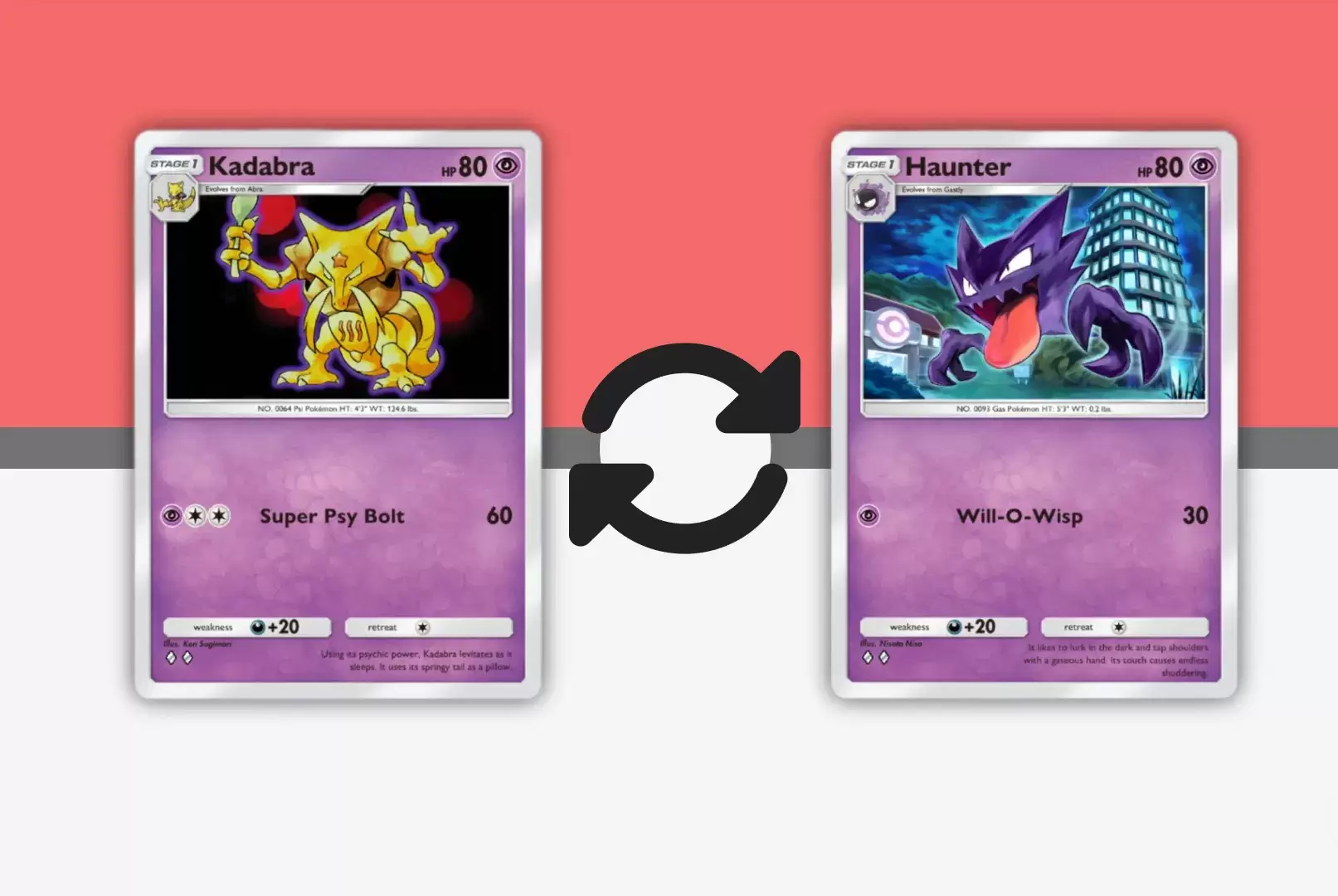 Mar 01,25Handelsfunktionen Guide für Pokémon TCG -Tasche Mastering Pokémon TCG Pockens Handelssystem: Ein umfassender Leitfaden Erweitern Sie Ihre Pokémon TCG -Taschensammlung, optimieren Sie Ihr Deck und verbinden Sie sich mit anderen Spielern über das aufregende Handelssystem. Dieser Leitfaden deckt wichtige Handelsfunktionen, effektive Strategien und Tipps zur Maximierung Ihres Handels ab
 -
 May 14,25Pokémon präsentiert 2025 aufregende neue Enthüllungen Pokémon präsentiert 2025, die am 27. Februar stattfand, und erfreute erneut die Fans mit einer Vielzahl von aufregenden Neuigkeiten. Unerwartete Ankündigungen, Details zu den bevorstehenden Pokémon -Legenden: ZA, neue Kämpfer in geliebten Spielen, Updates der Fernsehserie des Franchise und Veranstaltungen in verschiedenen Titeln - all dies war Cover
 -
 May 06,25"Neue RPG Isekai∞isekai startet mit neun Anime -Welten, um zu erkunden" Lieben Sie Iskai Animes und wünschen, Sie könnten Ihre Favoriten als Spiele auf derselben Plattform gleichzeitig spielen? Colopl hat Ihre Träume mit ihrem neuen Spiel, Iskai∞isekai, der jetzt auf Android erhältlich ist, wahr. Es ist jedoch wichtig zu beachten, dass dies noch keine globale Veröffentlichung ist. Es ist aktuell
 -
 Jan 27,25Entdecken Sie die rätselhaften Pokémon -Automaten: Enthülle ihrer Wunder Entdecken Sie die Welt der Pokémon -Automaten: eine umfassende Anleitung Pokémon -Fans summten über die zunehmende Anwesenheit von Pokémon -Automaten in den USA. Dieser Leitfaden beantwortet Ihre brennenden Fragen zu diesen automatisierten Warenspendern. Was sind Pokémon -Automaten? Pokémon