-
-
-
-

-
-
-
-
-

-

-
-
Sep 30,26
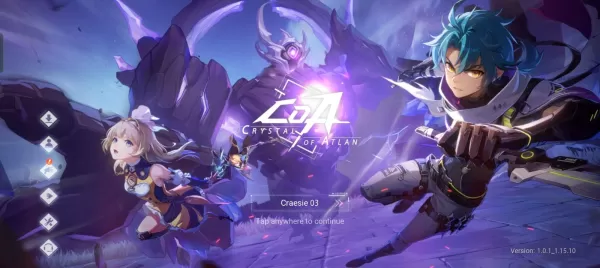
Welcome to A Beginner’s PvP Guide to the Crystal of Atlan — your essential starting point for mastering Player vs. Player combat in this fast-paced, strategic MMO. Whether you're new to PvP or looking to improve your combat skills, this guide will help you dominate the battlefield.
🌟 Why the Crystal of Atlan?
The Crystal of Atlan is a high-stakes PvP arena located in the heart of the ancient Atlantean ruins. Players from all factions clash for control of the Crystal — a powerful artifact that grants immense bonuses to whoever holds it. Victory isn’t just about raw damage; it’s about positioning, timing, teamwork, and mastery of mechanics.
🔥 Core PvP Mechanics to Master
1. The Crystal Mechanics
Control: The Crystal must be touched to claim it. You’ll see a glowing aura around it when active.
Dominance: Hold the Crystal for 30 seconds to activate "Crystalline Dominance" — a powerful buff that increases your damage and resistance.
Capture Points: The Crystal can be captured mid-fight. If you’re close to it when it’s dropped, you can reclaim it quickly.
✅ Pro Tip: Don’t just chase the Crystal — use it as a lure. Let enemies fight over it while you set up ambushes.
2. Class Roles (Know Your Place)
There are four main roles in PvP. Matchmaking often balances teams based on these:
Role
Responsibility
Best For
Tank
Hold the front line, absorb damage, disrupt foes
Melee builds, high defense
DPS (Damage Dealer)
Deal high burst or sustained damage
Precision weapons, elemental builds
Support
Heal, shield, buff allies, debuff enemies
Healing spells, utility kits
Controller
Crowd control (CC), slows, stuns, roots
AoE abilities, trap-based builds
💡 Beginner Tip: Start as a Support or Controller — they’re easier to learn and more valuable to a team.
⚔️ Beginner’s PvP Tactics
✅ 1. Learn the Map
Familiarize yourself with choke points, elevated positions, and hiding spots.
Use terrain to your advantage — ambush from behind cliffs or ruins.
Know where the Crystal spawns and how long it takes to respawn.
✅ 2. Positioning is Everything
Never stand in the open unless you’re the tank.
Stay behind your healer or behind cover when DPSing.
Avoid "sticking your head out" — use your environment to dodge attacks.
✅ 3. Use Abilities Wisely
Don’t spam your ultimate. Save it for key moments: when the enemy team is grouped, or you’re about to capture the Crystal.
Learn to read enemy cooldowns. If they just used a stun, you can safely approach.
✅ 4. Communicate
Use voice chat (if available) or quick-prompt pings.
Call out enemy abilities (e.g., “He’s about to burst!”).
Coordinate grabs, interrupts, and team pushes.
🛡️ Common Beginner Mistakes (And How to Fix Them)
Mistake
Fix
Charging the Crystal alone
Wait for your team or a distraction.
Ignoring enemy CC
Learn to dodge or use shields to mitigate.
Overextending
Stay within team range. Don’t go solo unless you’re a tank.
Not healing when needed
Use your heal as soon as you take damage — don’t wait to be low.
🎯 Pro Tips for Fast Progress
Watch replays of high-ranked players. Pay attention to positioning and ability usage.
Join a PvP guild for mentorship and coordinated matches.
Practice in Training Mode (if available) to test builds and combos.
Try different builds — your favorite playstyle might not be the most effective.
🏆 Winning the Crystal?
To truly dominate:
Hold the Crystal when your team is ready to push.
Disrupt enemy healers while they’re trying to capture it.
Use environmental traps (if available) to slow or knock back enemies.
🏅 Final Tip: The Crystal isn’t just a target — it’s a magnet. Use it to draw enemies into your team’s ambush.
📌 Summary: Your PvP Checklist
✅ Know the Crystal mechanics
✅ Play a balanced role (tank, DPS, support, controller)
✅ Use terrain and positioning
✅ Communicate with your team
✅ Save abilities for big moments
✅ Learn from every match — win or lose
🔥 Remember: The best PvP players aren’t the strongest — they’re the smartest, most patient, and most prepared.
Now go forth, claim the Crystal, and rise as a true champion of Atlan.
⚔️ May your aim be true, your timing perfect, and your team never break the line.
— The Crystal Calls. Will you answer? 🌌
Сражение игроков против игроков в Crystal of Atlan — одна из ключевых особенностей игры. В отличие от многих MMORPG, здесь PvP выравнивает статистику персонажей, чтобы снаряжение или характеристики не создавали превосходства. Такой подход означает, ч
-
-
-
![]()
-
Sep 27,26
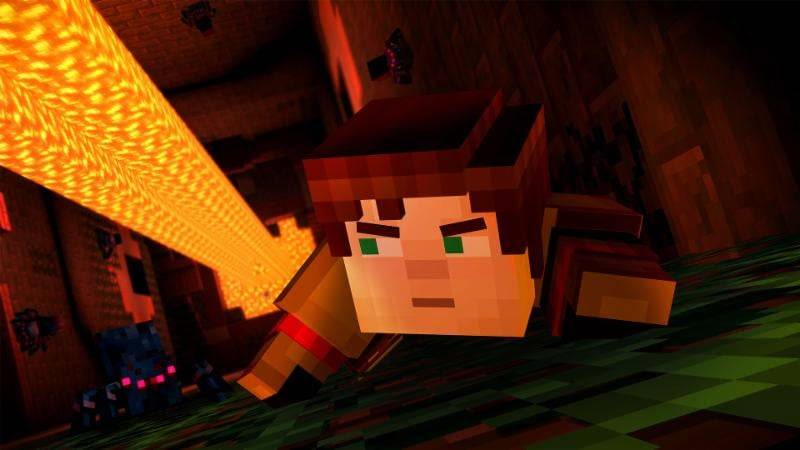
Minecraft Tops Global Game Sales Record
Minecraft, the iconic sandbox video game created by Markus Persson (Notch) and later developed and published by Mojang Studios, has officially become the best-selling video game of all time in terms of units sold.
As of 2024, Minecraft has sold over 300 million copies worldwide across all platforms, including PC, consoles (PlayStation, Xbox, Nintendo Switch), mobile devices (iOS and Android), and VR. This achievement marks a historic milestone in gaming history.
Key Facts:
First Released: May 2009 (as an early alpha version); full release in 2011.
Developer: Mojang Studios (acquired by Microsoft in 2016 for $2.5 billion).
Platforms: Available on virtually every major gaming platform, including cross-play support across many.
Cultural Impact: Used in education, coding tutorials, and even architecture and engineering projects.
Revenue: Estimated to have generated over $3 billion in revenue, making it one of the most financially successful entertainment products ever.
Why It’s So Successful:
Creative Freedom: Players build and explore infinite worlds made of blocks.
Accessibility: Simple mechanics that appeal to all ages.
Cross-Platform Play: Enables friends to play together regardless of device.
Endless Content: Regular updates, new biomes, mobs, and game modes keep the experience fresh.
Community & Mods: A massive modding and content creation community drives ongoing popularity.
Minecraft's record-breaking sales not only reflect its massive global appeal but also its lasting legacy as a cultural phenomenon that transcends traditional gaming.
🎮 “Minecraft isn’t just a game—it’s a world people build, explore, and share.”
Source: Mojang Studios, Microsoft Gaming Reports, Statista (2024)
В 2009 году простой блочный мир открыл безграничные возможности. Сегодня продажи ключей Minecraft для ПК стремительно растут, закрепив за игрой звание самой продаваемой видеоигры в истории — глобально было продано более 300 миллионов копий.Так как же
-
-
-
-