






Elden Ring: Nightreign Ending Explained
Don't underestimate Elden Ring Nightreign as merely a spin-off. Lore enthusiasts will find plenty to dissect. Like the Erdtree itself, Nightreign represents a branching path—an alternate timeline with deep roots in Elden Ring's world. This expansion introduces fresh concepts and characters, even if its narrative doesn't directly connect to the original game. The significance becomes clearer when examining Nightreign's ending in detail.
Warning: This article contains major spoilers for Elden Ring Nightreign's conclusion.
Is Nightreign Canon?
Nightreign presents an altered version of The Lands Between's history, diverging from a key moment in the lore to explore a darker "what if" scenario. Consider it an alternate timeline rather than canonical continuation. While prior knowledge of Elden Ring isn't essential, players must complete numerous expeditions and defeat Nightlords to fully understand how Nightreign relates to—and diverges from—the original story.
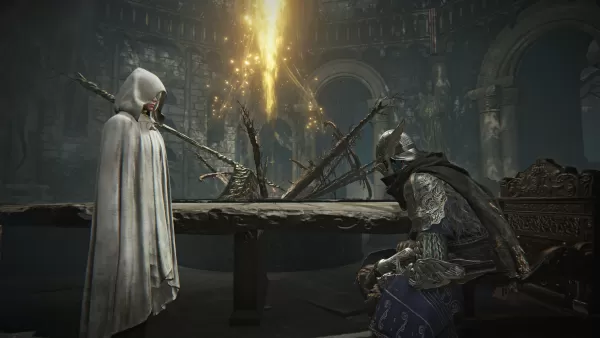
Elden Ring Nightreign Ending Explained
The introductory sequence establishes Nightreign's premise: this timeline occurs when no Tarnished arrives. Following Marika's destruction of the Elden Ring, the divine conflict known as The Shattering rages unresolved for millennia until the emergence of the Nightlord—a cataclysmic entity bringing perpetual darkness that slowly erases reality.
FromSoftware outdoes itself in presenting an even grimmer fate than the original game's bleakest outcomes. Here, the Elden Throne sits vacant amidst fading ruins of civilization. Yet a mysterious force selects the Nightfarers—your band of warriors—to combat this existential threat.
The gameplay involves hunting lesser Nightlords across devastated versions of familiar locations like Limgrave, facing twisted versions of enemies from both Elden Ring and Dark Souls. The convergence of worlds suggests reality itself is crumbling under the Nightlord's influence.
Elden Ring Nightreign Review Screenshots
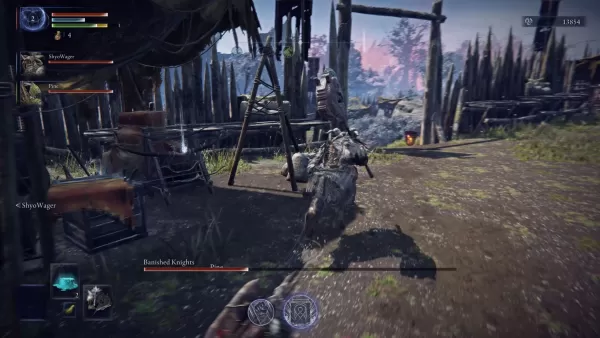
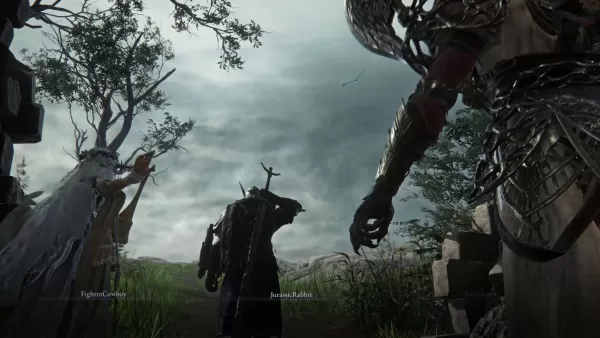 View 121 Images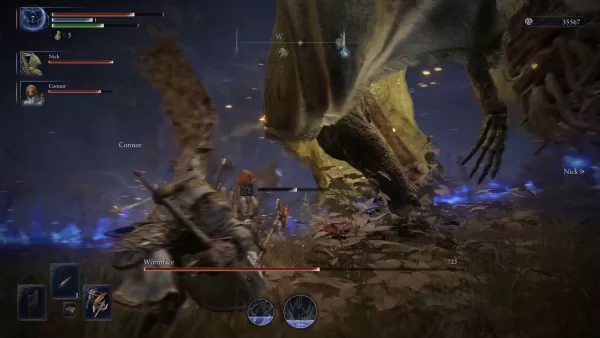
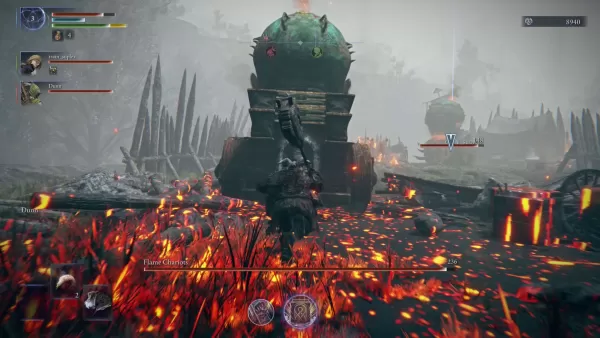
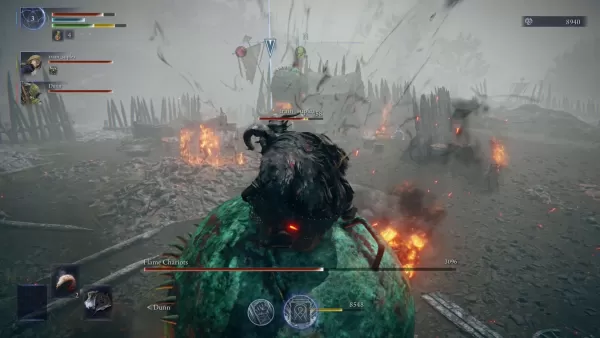
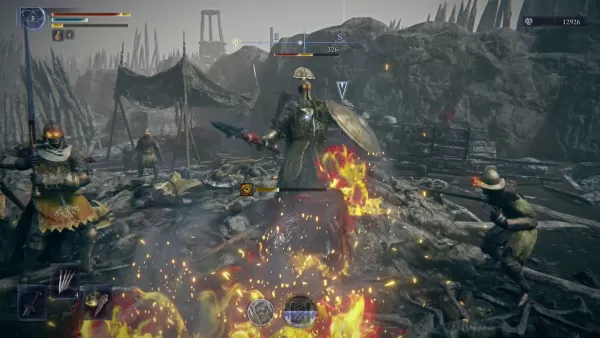
The ultimate confrontation reveals the Nightlord as Heolstor—a three-armed warrior wielding a Dark Souls-style Moonlight Greatsword. This spectacular boss fight awards the Primordial Nightlord's Rune, resembling Elden Ring's Great Runes but with shadowy properties.
After defeating Heolstor, players discover an abandoned Roundtable Hold containing a petrified corpse. Placing the rune before it causes your character to dissipate into light. The post-credits scene reveals this act has erased Nightreign's timeline, restoring the original Elden Ring universe—though a Heolstor-like wooden giant momentarily appears before vanishing.
Who is Heolstor and What Happens in Alternative Endings?
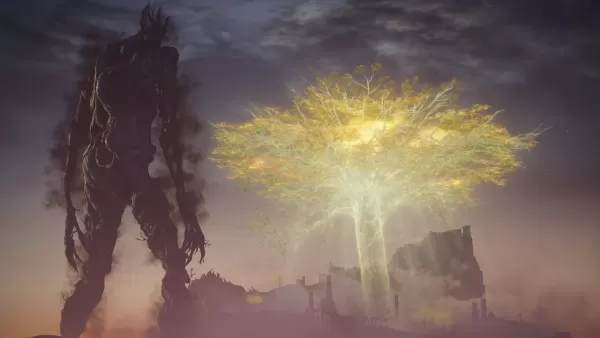
Heolstor's backstory remains mysterious. The relics suggest he was a resurrected knight who cursed the world, possibly representing an inevitable cosmic phenomenon like nightfall.
The game offers several character-specific endings:
- Wylder's ending: Completing his remembrance quests allows him to become the new Nightlord, sacrificing himself to save his sister the Duchess by using a Larval Tear
- Ironeye's ending: He murders the petrified corpse to perpetuate the Night, saving his undead clan from persecution at the cost of dooming the world
- The Recluse's ending: She redeems herself by embracing a Night-corrupted infant, preventing a new Nightlord's birth
Other Nightfarers follow the default ending, vanishing when the timeline resets. However, future DLC may introduce additional Nightfarers with their own unique conclusions, potentially expanding our understanding of this doomed timeline.
-
 Mar 01,25Trading Features Guide for Pokémon TCG Pocket Mastering Pokémon TCG Pocket's Trading System: A Comprehensive Guide Expand your Pokémon TCG Pocket collection, optimize your deck, and connect with fellow players through the exciting trading system. This guide covers key trading features, effective strategies, and tips for maximizing your trading
 -
 May 14,25Pokémon Presents 2025 Unveils Exciting New Reveals Pokémon Presents 2025, held on February 27, once again delighted fans with a host of exciting news. Unexpected announcements, details about the upcoming Pokémon Legends: Z-A, new fighters in beloved games, updates on the franchise’s TV series, and events across various titles — all of this was cover
 -
 May 06,25"New RPG Isekai∞Isekai Launches with Nine Anime Worlds to Explore" Do you love isekai animes and wish you could play your favorite ones as games on the same platform at once? Colopl has made your dreams come true with their new game, Isekai∞Isekai, which is now available on Android. However, it's important to note that this isn't a global release yet; it's currentl
 -
 Jan 27,25Discover the Enigmatic Pokémon Vending Machines: Unveiling Their Wonders Discover the World of Pokémon Vending Machines: A Comprehensive Guide Pokémon fans are buzzing about the increasing presence of Pokémon vending machines across the US. This guide answers your burning questions about these automated merchandise dispensers. What are Pokémon Vending Machines? Pokémon